The Best Allergy-Friendly Blinds Materials for a Healthier UK Home
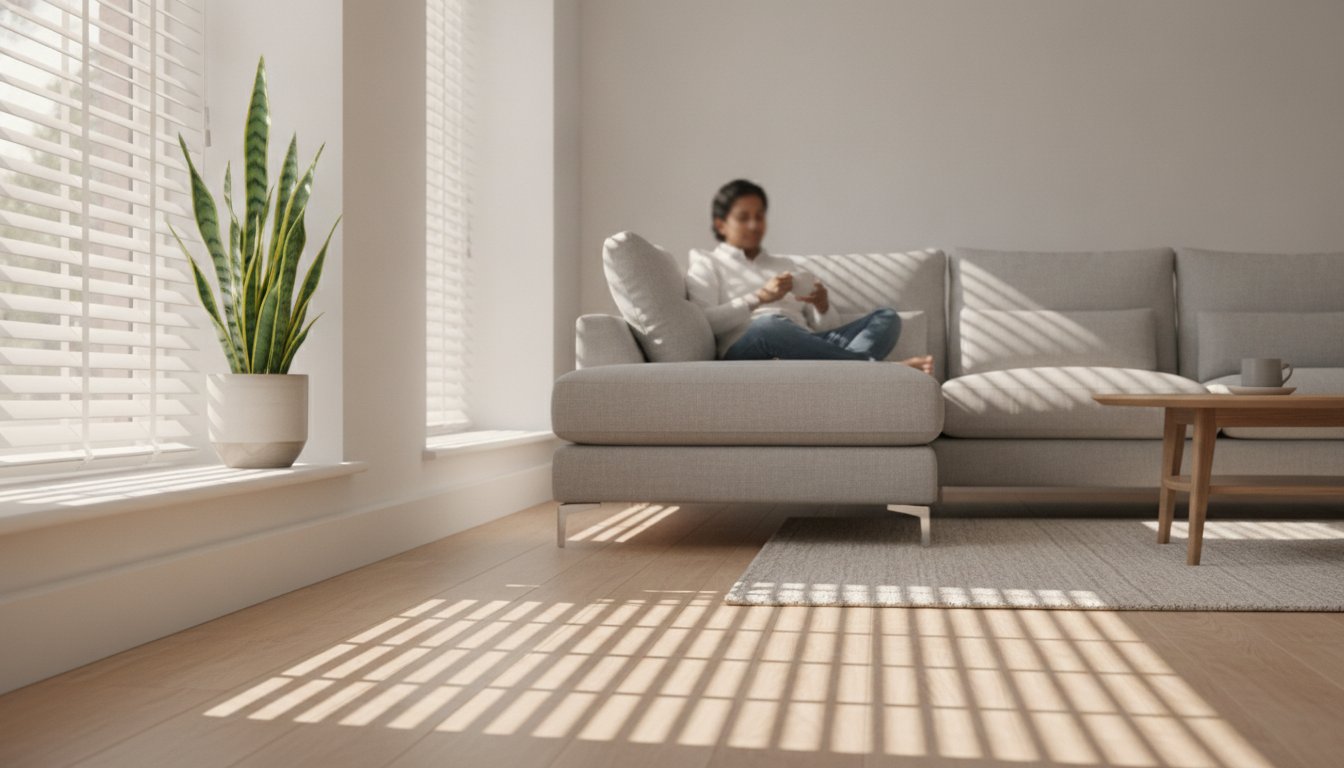
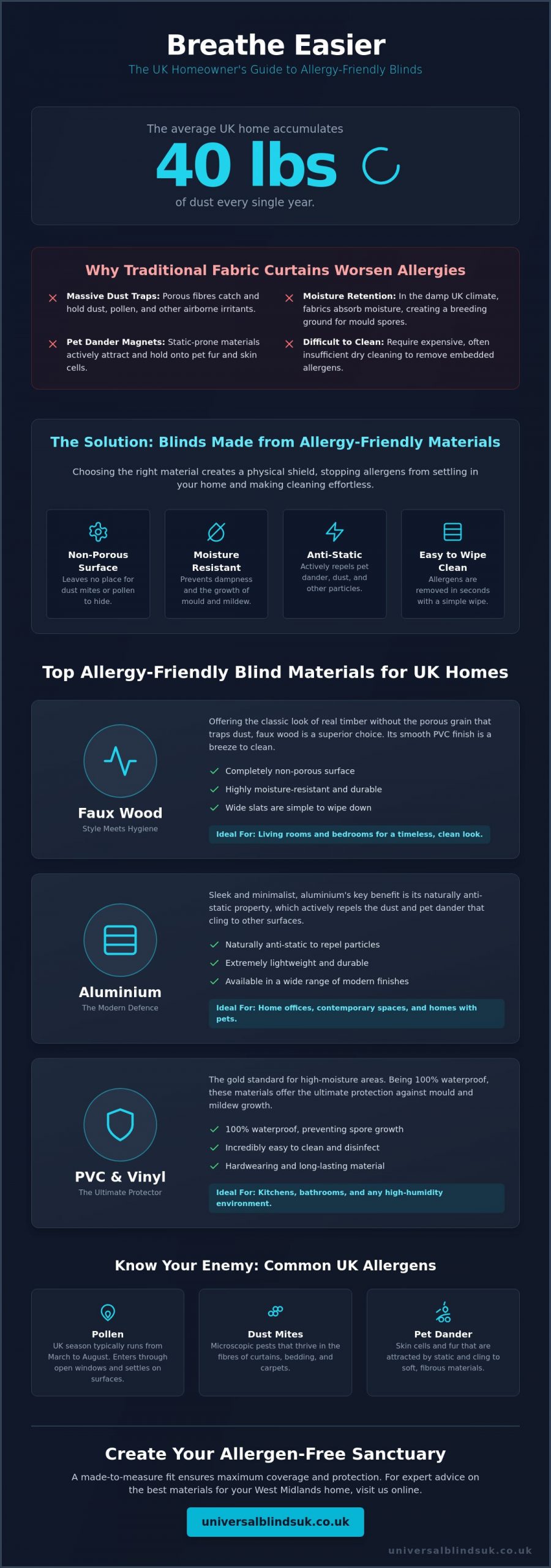
Did you know the average UK home accumulates around 40 pounds of dust every year? It’s a staggering figure that explains why so many of us wake up with a stuffy nose or find ourselves constantly cleaning heavy fabric curtains. If you’re tired of the endless battle against pollen ingress during the British summer, you aren’t alone. We understand how frustrating it is when your home doesn’t feel like the clean, restful retreat it should be.
Choosing the right allergy friendly blinds material is one of the most effective ways to create a healthier, more breathable environment. By opting for surfaces that don’t harbour dander or dust mites, you can achieve a measurable reduction in household allergens without sacrificing style. In this article, we’ll guide you through the best low-maintenance options, from moisture-resistant faux wood to specialised treatments designed to neutralise pollen. You’ll also learn how our local West Midlands expertise can help you find the perfect made-to-measure fit for a truly allergen-free sanctuary.
Key Takeaways
- Learn why swapping heavy, porous fabrics for easy-wipe surfaces is the most effective way to eliminate dust traps in your home.
- Discover why choosing the right allergy friendly blinds material, such as non-porous faux wood or anti-static aluminium, prevents the buildup of pet dander and pollen.
- Compare the maintenance benefits of made-to-measure blinds versus custom shutters to see which provides the deepest clean for asthma and hay fever sufferers.
- Master the “top-down” cleaning method and the specific tools needed to ensure you are removing allergens rather than simply moving them around.
- Understand how a professional West Midlands consultation can help you select bespoke materials that look elegant while actively improving your indoor air quality.
Why Your Window Coverings Affect Your Allergies
Your windows are more than just a source of light; they’re the primary entry point for outdoor irritants. Choosing an allergy friendly blinds material means prioritising surfaces that are non-porous and easy to wipe down. Unlike traditional soft furnishings, these specialised materials don’t provide a sanctuary for microscopic triggers to hide. For anyone living with respiratory sensitivities, the primary metric for any window treatment should be “cleanability.” If you can’t easily remove every trace of dust with a damp cloth, the material is likely contributing to your symptoms. A truly effective material acts as a shield, ensuring that what stays outside doesn’t become a permanent resident in your carpets or upholstery.
Traditional drapes often act as massive “dust traps,” collecting particles every time you open or close them. In the UK, where we experience a variety of seasonal shifts, blinds serve as a vital physical barrier. They help block external pollen from drifting into your living spaces while remaining much easier to maintain than heavy, multi-layered fabrics. By selecting the right bespoke fit, you’re not just decorating a room; you’re actively managing your home’s air quality.
To help you visualise how these choices impact your home environment, watch this helpful guide on allergy-proofing your windows:
The Problem with Traditional Curtains and Heavy Fabrics
Fabrics are essentially nets made of thousands of tiny fibres. These fibres hold onto skin cells and dander even after a thorough vacuuming. In our damp UK climate, fabric window coverings also tend to retain moisture, which can lead to the growth of mould spores tucked away in the folds. This moisture trap is particularly prevalent in older UK properties with single glazing or poor ventilation, where condensation pools at the base of the window and seeps into the fabric. While you might think dry cleaning is the answer, it’s often an expensive and insufficient solution for those with severe asthma, as it doesn’t prevent the immediate re-accumulation of allergens.
Common UK Allergens: Pollen, Dust, and Pet Dander
The British pollen calendar is a long one, typically running from March through to August. Tree pollen starts the cycle in early spring, followed by grass pollen in the summer, making a durable, easy-clean window covering a year-round necessity for comfort. Inside the home, dust mite allergies are a significant concern, especially in the relatively humid environments found across the West Midlands. These microscopic pests thrive in soft materials but struggle to survive on hard, bespoke blinds. Additionally, if you have pets, static-prone fabrics will actively attract fur and skin cells, whereas a high-quality allergy friendly blinds material allows you to simply wipe away the day’s dander with minimal effort.
Top Allergy-Friendly Blinds Materials for UK Homes
Selecting the right allergy friendly blinds material involves balancing aesthetics with scientific practicality. You need surfaces that don’t just look good but actively discourage the accumulation of major indoor allergens like dust mites and mould. In high-moisture areas like kitchens or bathrooms, PVC and vinyl remain the gold standard for preventing spore growth. These materials don’t absorb water, which stops the damp environment that allergens love from ever taking hold. For living areas, polyester with an anti-static coating is an excellent choice if you still want a fabric feel without the dust-trapping downsides of traditional textiles.
Faux Wood: Style Meets Hygiene
Faux wood is a superior choice for allergy sufferers compared to real timber. Natural wood has a porous grain that acts as a microscopic lodging for dust and skin cells. Faux wood, crafted from high-quality PVC, offers a completely smooth, non-porous finish. This makes it incredibly easy to wipe down wide slats with a damp microfiber cloth. These materials are also remarkably durable. You can use mild household disinfectants during your weekly clean without worrying about warping or fading. This ensures a deep, hygienic finish that keeps your home’s air quality high while maintaining an elegant, heritage look.
Aluminium Venetian Blinds: The Anti-Static Solution
Aluminium is naturally anti-static. This property is vital because it means the material doesn’t actively pull dust from the air like many synthetic fabrics do. Slimline aluminium slats also offer a smaller surface area for particles to settle on compared to wider designs. For modern, minimalist homes in the West Midlands, these blinds provide a sleek look while remaining completely moisture-resistant. They won’t harbour mould, which is a common issue in humid UK environments. Choosing UK-sourced aluminium options ensures you’re getting a high-quality product built to withstand the specific demands of our climate.
Treated Roller Blind Fabrics
If you prefer the look of a roller blind, prioritise “Easy-Wipe” or “Moisture-Resistant” labels when browsing samples. Blackout coatings are particularly effective because they create a smooth, non-absorbent surface that prevents allergens from sinking into the fabric core. Keep in mind that made-to-measure blinds are significantly better than off-the-shelf versions. The precise fit reduces the gaps where pollen ingress usually occurs during the peak spring months. If you’re unsure which texture suits your space, our team can bring material samples directly to your home for you to explore without any pressure.
Blinds vs. Shutters: Which is Best for Asthma and Hay Fever?
Choosing between blinds and shutters is a common crossroads for UK homeowners looking to manage respiratory health. While both options are vastly superior to heavy drapes, they offer different advantages depending on your specific triggers. The primary goal is to reduce exposure to indoor allergens by selecting a solution that doesn’t just look elegant but remains easy to sanitise. Shutters generally provide a larger, flatter surface area that is incredibly simple to wipe down, whereas certain blind styles use gravity or tension to minimise dust buildup. Both options represent a significant value-add for UK properties, offering long-term durability that off-the-shelf fabrics simply cannot match.
Airflow management is another critical factor during the British summer. You need a window covering that allows for ventilation without letting a cloud of pollen drift into your bedroom. Shutters are particularly effective here, as their sturdy louvres can be angled to direct air upwards, catching heavier particles before they reach your living space. Conversely, choosing the right allergy friendly blinds material like a smooth, treated polyester can provide a sleek, single-surface barrier that is exceptionally quick to clean during peak hay fever months.
The Case for Plantation Shutters
Many experts consider elegant window shutters the gold standard for allergy management. Their solid, bespoke construction eliminates the “flapping” motion associated with lightweight blinds, which can often stir up settled dust into the air you breathe. Because they’re fixed to the window frame, they provide a robust barrier against external irritants. The wide slats allow you to reach every millimetre of the surface with a damp cloth, ensuring a truly deep clean that removes dander and mites rather than just moving them around. This makes them a dependable, long-term investment for any West Midlands home.
When to Choose Vertical or Roller Blinds
Vertical blinds are a surprisingly effective choice because gravity works in your favour. Dust struggles to settle on vertical slats compared to horizontal ones, meaning they stay cleaner for longer between deep cleans. If you prefer a minimalist look, roller blinds offer a single, flat sheet of allergy friendly blinds material with no slats or hidden crevices at all. For the ultimate in pollen protection, Perfect Fit blinds are an excellent bespoke option. They clip directly to your uPVC window frames, leaving almost no gaps at the sides where allergens typically sneak in. This snug fit creates a sealed environment that is ideal for those suffering from severe seasonal hay fever.
Practical Tips for Maintaining an Allergen-Free Window
Even the most advanced allergy friendly blinds material requires a consistent maintenance routine to remain effective. The goal isn’t just to make your windows look clean but to physically remove microscopic particles from your living environment. To achieve this, you should always employ the “top-down” cleaning method. By starting at the top of the blind or shutter and working your way down, you ensure that any dislodged dust falls onto surfaces you haven’t cleaned yet. If you start at the bottom, you’ll simply end up re-contaminating the areas you’ve already finished.
Your choice of tools is just as critical as your technique. Traditional feather dusters are often the enemy of an allergy sufferer because they tend to flick dust into the air rather than capturing it. Instead, always use a high-quality microfiber cloth. The split fibres in microfiber create a positive charge that attracts and holds onto dust and pet dander. During peak UK hay fever months, typically from April to August, we recommend a quick daily wipe of your window treatments. This prevents the heavy accumulation of pollen that can occur when windows are left open for ventilation during the day.
Your Weekly Allergy-Safe Cleaning Routine
- Step 1: Use a vacuum cleaner equipped with a HEPA filter and a soft brush attachment. This captures 99.97% of particles, ensuring they aren’t exhausted back into the room.
- Step 2: Wipe the slats or fabric with a damp, not soaking, microfiber cloth. Moisture helps trap the finest particles that a vacuum might miss.
- Step 3: Monitor local UK pollen forecasts and keep your blinds fully closed during peak times, which are usually the early morning and late evening when the air cools and pollen settles.
Professional Fitting and Allergen Control
The effectiveness of your allergy friendly blinds material is often dictated by how well it fits your window. Choosing professional blind fitting ensures a tight, bespoke seal against the window frame. This is a vital health choice because off-the-shelf DIY kits often leave small gaps. These “nooks and crannies” are prime real estate for spiders to spin webs and for dust to settle in areas that are nearly impossible to reach with a standard cloth. A made-to-measure solution eliminates these gaps, creating a smooth, continuous barrier that is far easier to keep sanitised. By prioritising a professional installation, you’re investing in a home that is fundamentally easier to maintain. If you’re ready to see how a bespoke fit can transform your home’s air quality, you can book your free measuring service with our West Midlands team today.
Expert Allergy-Friendly Blind Fitting in the West Midlands
At Universal Blinds UK, we believe your home should be your sanctuary. As a family-run business with a proud heritage in Walsall, we’ve spent years helping our neighbours across the West Midlands create healthier, more elegant living spaces. When you’re searching for the right allergy friendly blinds material, the sheer variety of choices can feel overwhelming. That’s why we bring our expertise directly to your doorstep. Seeing our high-quality samples in your own light allows you to make a confident decision without any guesswork. Our team understands that local homes have unique architectural features, and our bespoke approach ensures every window is treated with the care it deserves.
Bespoke Solutions for Every Room
Every room in your house faces different environmental challenges. For instance, a kitchen or bathroom requires moisture-resistant PVC to prevent the growth of mould spores, whereas a bedroom might benefit more from a smooth, anti-static polyester that repels dust mites. Our local experts are trained to assess these specific needs during your consultation. We offer an extensive range of easy-wipe materials that combine high-end elegance with practical hygiene. By tailoring the allergy friendly blinds material to the specific humidity and light levels of each room, we ensure your window coverings remain a long-term health asset rather than a maintenance burden.
Start Your Stress-Free Journey
We pride ourselves on providing a low-stress environment from the very first meeting. You won’t find any high-pressure sales tactics here; instead, you’ll receive honest, specialist advice tailored to your household’s requirements. Our heritage as a small-scale operation means we value our reputation above all else. Selecting the ideal material is only half the battle. The final performance of your window treatment depends on a precise, professional installation. Our expert fitters ensure every blind is perfectly aligned and tightly fitted, eliminating the hidden crevices where allergens and dust tend to gather. This meticulous approach is what sets our customer-centric service apart from off-the-shelf alternatives. Ready to transform your home into a breathable, allergen-free sanctuary? Request your free home consultation and quote today and let us help you find the perfect bespoke solution for your West Midlands home.
Create a Healthier Living Space Today
Achieving a breathable, dust-free environment doesn’t mean you have to compromise on elegance. By moving away from heavy fabrics and choosing a specialised allergy friendly blinds material, you’re taking a proactive step toward a much healthier lifestyle. Whether you prefer the sleek finish of aluminium Venetians or the robust durability of custom shutters, the right material makes maintenance effortless while actively reducing the presence of pollen and dander.
As a family-run West Midlands business, Universal Blinds UK is dedicated to helping you find the perfect balance between aesthetics and air quality. Our professional installation ensures a precise, dust-minimising fit that off-the-shelf kits simply can’t match. We invite you to experience our stress-free service firsthand, starting with a complimentary visit to discuss your specific needs. You’ll receive expert advice and a no-obligation quote, all within a relaxed, no-pressure environment.
Book Your Free Home Consultation for Allergy-Friendly Blinds and take the first step toward a cleaner, more comfortable sanctuary. You deserve a home that feels as good as it looks.
Frequently Asked Questions
What is the best blind material for someone with asthma?
Non-porous materials such as PVC, aluminium, or high-quality faux wood are the best choices for asthma sufferers. These smooth surfaces don’t harbour dust mites or skin cells, which are common triggers for respiratory issues. Unlike traditional fabrics, they don’t release microscopic particles into the air when you operate them. A quick wipe with a damp cloth is all it takes to keep them sanitised. This ensures your home’s air quality remains high without the need for intensive deep cleaning.
Are wooden blinds bad for allergies?
Real wooden blinds can be problematic for allergy sufferers because wood is a naturally porous material. The grain and texture of the timber act as tiny traps for microscopic dust and dander. They also don’t tolerate moisture well, making them harder to deep-clean with damp cloths without risking damage. For the same aesthetic without the health downsides, we always recommend faux wood. It provides a completely smooth finish that’s much easier to keep allergen-free.
How often should I clean my blinds to prevent dust mite build-up?
You should aim to dust your blinds once a week and perform a damp wipe every month to prevent dust mite accumulation. During the peak UK pollen season from March to August, a more frequent daily wipe is beneficial for those with severe hay fever. Using a microfiber cloth is essential as it physically lifts and holds the particles. This regular maintenance routine ensures that allergens never have the chance to settle and colonise your window treatments.
Can blinds really help with hay fever in the UK?
High-quality blinds act as a vital physical barrier against the various pollen types found in the UK. By keeping them closed during high-pollen periods, such as early morning and late evening, you significantly reduce the amount of irritants entering your home. Choosing an allergy friendly blinds material like treated polyester or aluminium makes it possible to wipe away any pollen that does settle. This prevents it from being stirred back into your indoor air during the day.
Which is easier to clean: roller blinds or Venetian blinds?
Roller blinds are generally easier to maintain because they consist of a single, flat piece of material without slats. There are no hidden crevices or overlapping sections where dust can hide, making a quick wipe very efficient. However, Venetian blinds are also manageable if they have wide slats. While they require a bit more attention to each individual horizontal surface, materials like faux wood are very resilient to frequent cleaning with damp cloths or mild disinfectants.
Do vertical blinds trap less dust than horizontal ones?
Vertical blinds naturally trap less dust than horizontal styles because gravity prevents most particles from settling on the upright slats. On horizontal blinds, dust sits on the top of each slat, whereas it simply slides off a vertical orientation. This makes them a fantastic low-maintenance option for large windows or patio doors. They’re particularly effective in busy living areas where airborne dust and pet dander are more prevalent, keeping your home’s air clearer for longer.
Are there specific “anti-allergy” fabrics for blinds?
Specialised fabrics with anti-static coatings and moisture-resistant treatments are specifically designed to be allergy-friendly. These coatings prevent the fabric from attracting dust and stop moisture from soaking into the core fibres. You should look for “easy-wipe” or “blackout” labels when selecting your allergy friendly blinds material. These features ensure that the blind remains a smooth, hostile environment for dust mites and mould spores, providing an extra layer of protection for your household.
Why should I choose made-to-measure blinds if I have allergies?
Made-to-measure blinds offer a much tighter seal against your window frame than off-the-shelf alternatives. This precision fit is crucial for minimising the gaps where pollen and outdoor dust typically sneak into your home. A professional installation also eliminates the uneven edges and loose fits where spiders and dust often accumulate. It’s a health-conscious choice that ensures your window coverings perform as an effective barrier, creating a more controlled and breathable indoor environment.