

New year home improvement blinds for energy and comfort
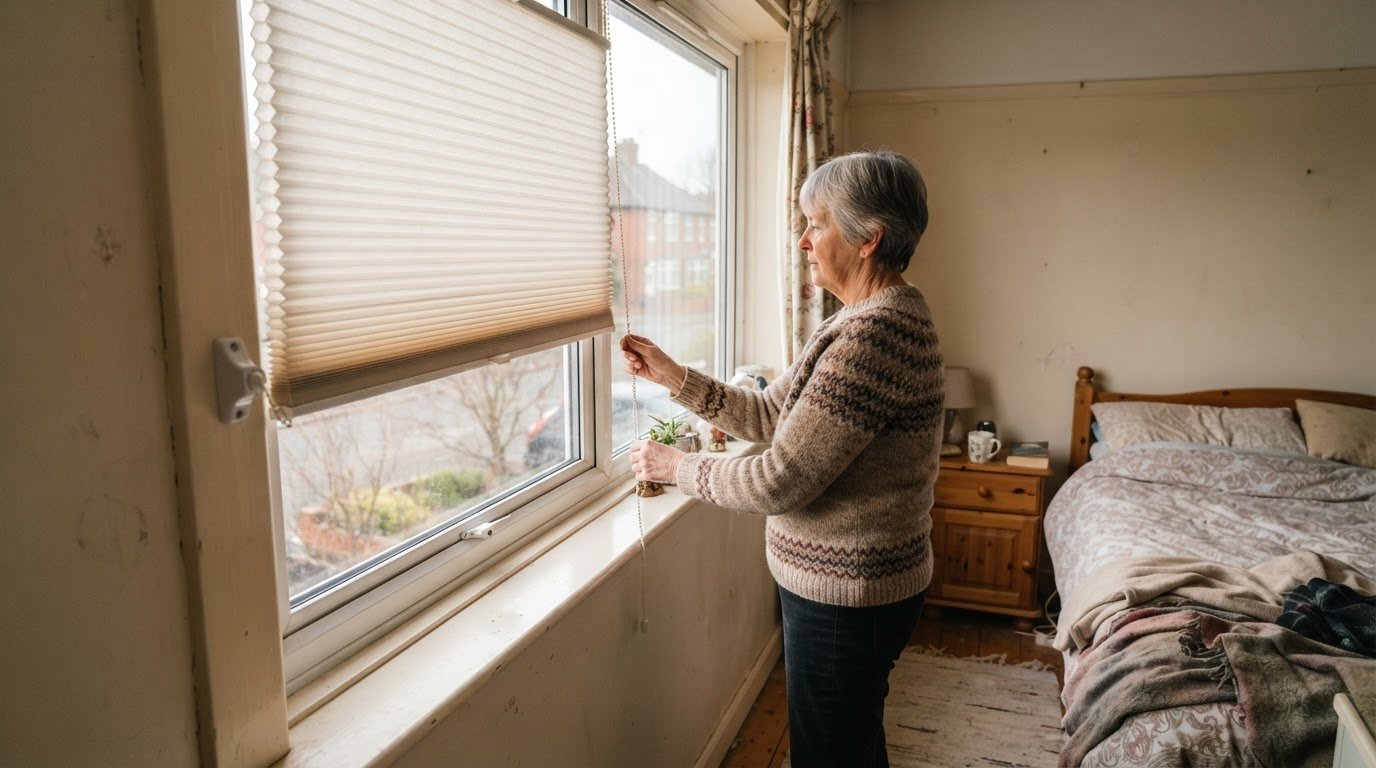
Blinds can do more than finish a room. The right choice can help manage sunlight and glare, support comfort and simplify everyday care. As part of your new year home improvement plans, consider how blinds suit each room. Thermal fabrics can help improve comfort and reduce heating needs, according to the UK Government.
Colour and style matter, but so do light control, privacy and cleaning. This guide explains what to consider so you can choose blinds that are practical as well as polished.
Compare how different blinds may affect energy use, control glare, fit your maintenance preferences and complement your interior. Made-to-measure blinds and professional fitting can help bring your choices together, whether you are making minor decorative updates or planning broader property renovations with design-and-build contractors such as Wallpro System & Construction Inc.
Key Takeaways
- Consider thermal fabrics or cellular designs to support comfort as temperatures change, while remembering that results depend on the room and window.
- Match light control to each room: consider options that soften glare while preserving daylight, or provide greater darkness when needed.
- Choose a blind style that suits your cleaning routine, and factor everyday wear into your decision.
- Balance colour, texture and function to find a window treatment that complements your interior as well as your daily needs.
1. Potential heating and cooling energy savings
Windows can lose heat in winter and admit unwanted warmth in summer. Blinds add a layer between the room and the glass, but their effect depends on the fabric, fit and use. Cellular or honeycomb designs trap air within their structure. Thermal fabrics can also help reduce heat loss and keep rooms cooler in warmer weather.
Which blinds offer the best energy efficiency and may help reduce heating bills? Cellular or honeycomb blinds and thermal fabrics are options to consider because they add insulation at the window. The UK Government notes that thermal blinds can improve comfort and reduce heating needs. The result depends on the home, its windows and heating habits.
For homes with children or pets, avoid loose hanging cords within reach, as they can pose a hazard. Consider cord access alongside appearance when choosing a blind. For UK blinds, look for products designed with child safety in mind, rather than assuming a stylish finish addresses every concern.
Popular New Year home improvements include improving insulation, refreshing interiors and making rooms more comfortable. New year home improvement blinds can support those aims while helping manage light and privacy. Blinds are only one part of energy efficiency: glazing, draughts and heating controls also affect comfort and energy use. If your broader property plans also involve reviewing household finances and cover, Clarity Compare can help you find suitable insurance deals for your family’s needs.
For inside-recess blinds, a professional measures the width and height at different points, then considers depth, handles and other obstructions. For outside-recess blinds, they assess the area to cover and how the blind will sit against the wall. These checks help establish suitable dimensions and fit.
Can blinds be fitted without drilling? It depends on the window, blind design and fixing method. If you rent, ask about no-drill blinds and whether their fixing method suits your window. Your new year home improvement blinds choices can then reflect the room, the fit you want and how you use the space.
2. Choosing blinds to manage sunlight and glare
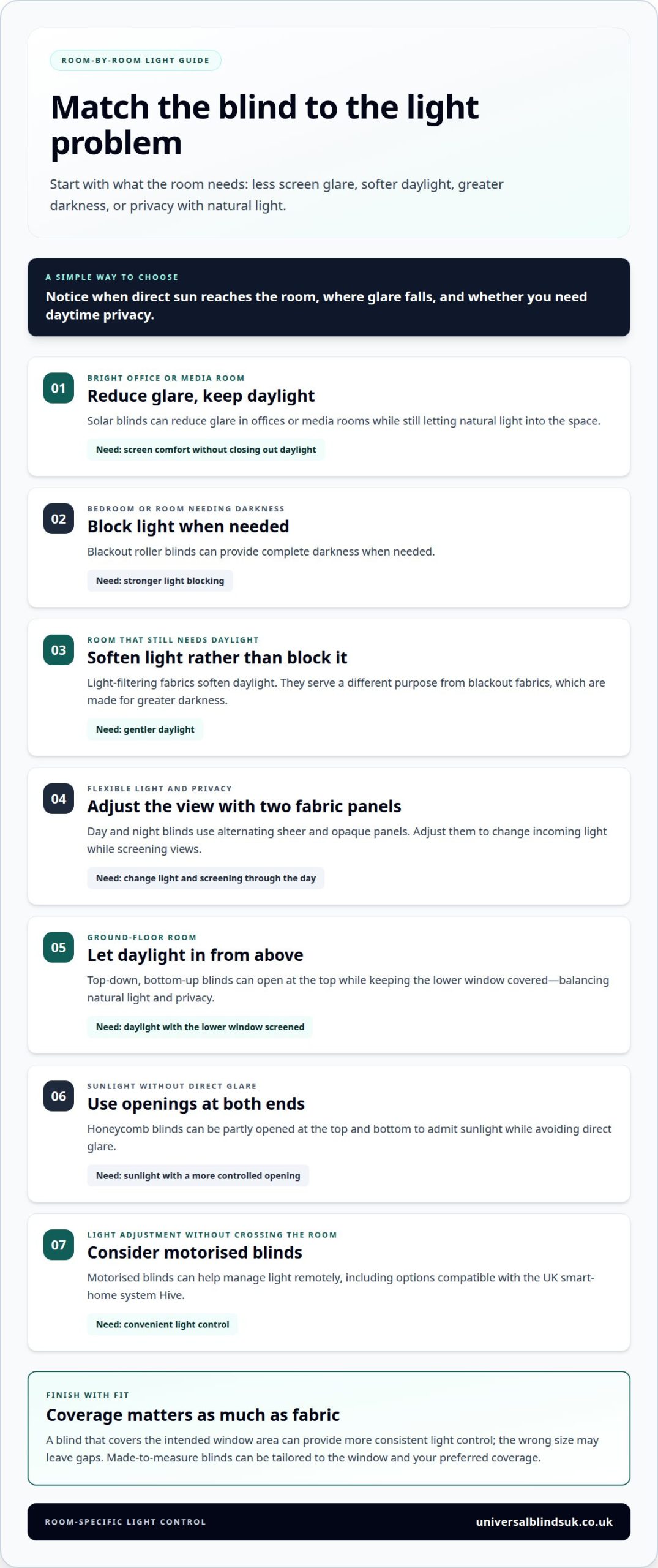
Start by noticing how sunlight affects each room. A home office facing bright windows may need glare control for screens, while a bedroom may benefit from stronger light blocking. Solar blinds can reduce glare in offices or media rooms while still letting natural light into your living space. This can make a bright room feel more comfortable without closing it in.
Blackout, thermal and light-filtering blinds serve different purposes. Blackout roller blinds can provide complete darkness when needed. Thermal blinds focus on comfort and insulation, while light-filtering fabrics soften daylight rather than blocking it. As you consider new year home improvement blinds, match the fabric to the room’s main need, not just its appearance.
For flexible privacy, day and night blinds use alternating sheer and opaque panels. Adjusting them lets you change incoming light while screening views. Top-down, bottom-up blinds offer another approach: open the top for daylight while keeping the lower window covered. These styles can suit ground-floor rooms where privacy and natural light both matter.
Think about when direct sun reaches the room, where glare falls and whether you need daytime privacy. A media room may suit solar blinds; a bedroom may call for blackout fabric. Different blinds can serve each room while keeping a coordinated interior. Motorised blinds, including options compatible with the UK smart-home system Hive, can help manage light without crossing the room.
Fit matters as much as fabric. A blind that covers the intended window area can provide more consistent light control, while the wrong size may leave gaps. Made-to-measure blinds can be tailored to the window and your preferred coverage. For new year home improvement blinds that suit your rooms, light levels and interior, explore made-to-measure blind options.
Honeycomb blinds can be partly opened at both the top and bottom to admit sunlight without direct glare. This allows sunlight to enter while avoiding direct glare, using openings at both ends of the window.
Top-down, bottom-up blinds can be adjusted from both the top and bottom of a window to help balance natural light and privacy. Their two-way adjustment provides another way to manage the relationship between daylight and privacy at the window.
3. Ease of cleaning and maintenance
Cleaning needs vary with the blind’s material, shape and position. Most blinds can be maintained with occasional dusting or wiping, rather than regular washing. A simple routine can help keep window treatments looking presentable without turning upkeep into a major task. Consider whether the surface is easy to reach and whether its design has folds or slats that collect dust.
Children may grab, tug or pull at blinds during everyday play. Durable, easy-to-clean window treatments can be a practical choice in family spaces, where handling and marks are more likely. Think about how the blind will be used, not just its aesthetic. For example, a living room blind near a play area may need more frequent attention than one in a rarely used room.
Keep care simple: dust or wipe the blind occasionally and follow the cleaning guidance for its material. Avoid assuming every fabric or finish can be cleaned the same way. A kitchen blind may need regular attention to visible marks, while a bedroom blind may only need light dusting.
Maintenance also affects long-term comfort. A blind that’s kept clean can remain a more pleasant part of the room, while neglected dust may make the window area feel less fresh. Include the blind in your normal room-care routine, alongside window sills and nearby surfaces. This makes small upkeep tasks easier to remember than waiting until dirt becomes noticeable.
Before choosing, consider who uses the room and how often the window is opened. A child’s bedroom, a busy family room and a spare room have different demands. Select a style that suits your preferred level of care as well as the interior. Balancing practical upkeep with appearance helps your treatments support comfort without compromising the room’s overall look.
When comparing options, weigh how a covering may stand up to everyday contact as well as how easily it can be cleaned. Children may grab, tug and pull on blinds, so choose durable, easy-to-clean window coverings. This keeps the selection focused on the demands of the room, with durability and manageable care considered together rather than appearance alone.
4. Blind styles and interior design
The best blind depends on a room’s use, window shape and preferred lighting. Vertical blinds suit large windows or patio doors, while wooden Venetian blinds offer a timeless look for living rooms. For bedrooms, choose a style that supports your preferred privacy and light levels.
For bay windows, consider how each blind will fit the individual sections and follow the window’s shape. Made-to-measure blinds can be tailored to the space, helping create a coordinated finish across angled panes. Custom shutters are another option, with panels that allow the window to be opened.
Bathrooms and kitchens need choices suited to humid conditions. Faux wood and vinyl blinds are moisture-resistant options for these rooms. Think about where the blind sits in relation to cooking areas, sinks and ventilation, as well as how its colour works with tiles and fittings.
Colour can connect a blind to the rest of your interior without dominating it. Soft grey, stone, white and beige are popular neutral roller-blind shades for contemporary UK interiors in 2026. Use a shade that complements wall colour and flooring, or introduce contrast through the blind’s texture.
Layering window treatments can combine texture, insulation and style. Pairing a blind with another treatment can soften a room while supporting privacy and heating needs. Keep the effect balanced by coordinating colours and considering how each layer affects daylight and the room’s proportions.
Think through the room before choosing: match the blind style to the window, moisture levels, privacy needs and décor. For a tailored look across different window shapes, explore custom blinds and shutters suited to your home.
Universal Blinds UK
Universal Blinds UK helps you turn decisions about light, comfort and style into window coverings suited to your home. Its made-to-measure blinds and custom shutters offer tailored options for different rooms, window shapes and finishes.
The free measuring service establishes the dimensions for a considered fit, and professional fitting completes the process. This can be useful for shaped windows or if you prefer experienced support with installation. During a free home consultation, you can discuss the balance of privacy, daylight and interior style that matters in your space.
For a practical next step, contact Universal Blinds UK to discuss your window covering needs.
Make your next change with confidence
Start by deciding how you want a room to feel and function. A calmer bedroom, a more comfortable workspace or a brighter living area can each provide a clear starting point for your new year home improvement blinds plans. Then choose details that support that purpose and suit your home.
You don’t need to settle every design choice at once. A conversation about your priorities can help turn ideas into a considered plan for your windows. Contact Universal Blinds UK to discuss what you have in mind.
Choose the change that matters most to you, then take the next step at your own pace.