

Hidden Tilt Rod Shutters for a Modern Look: A Buying Guide
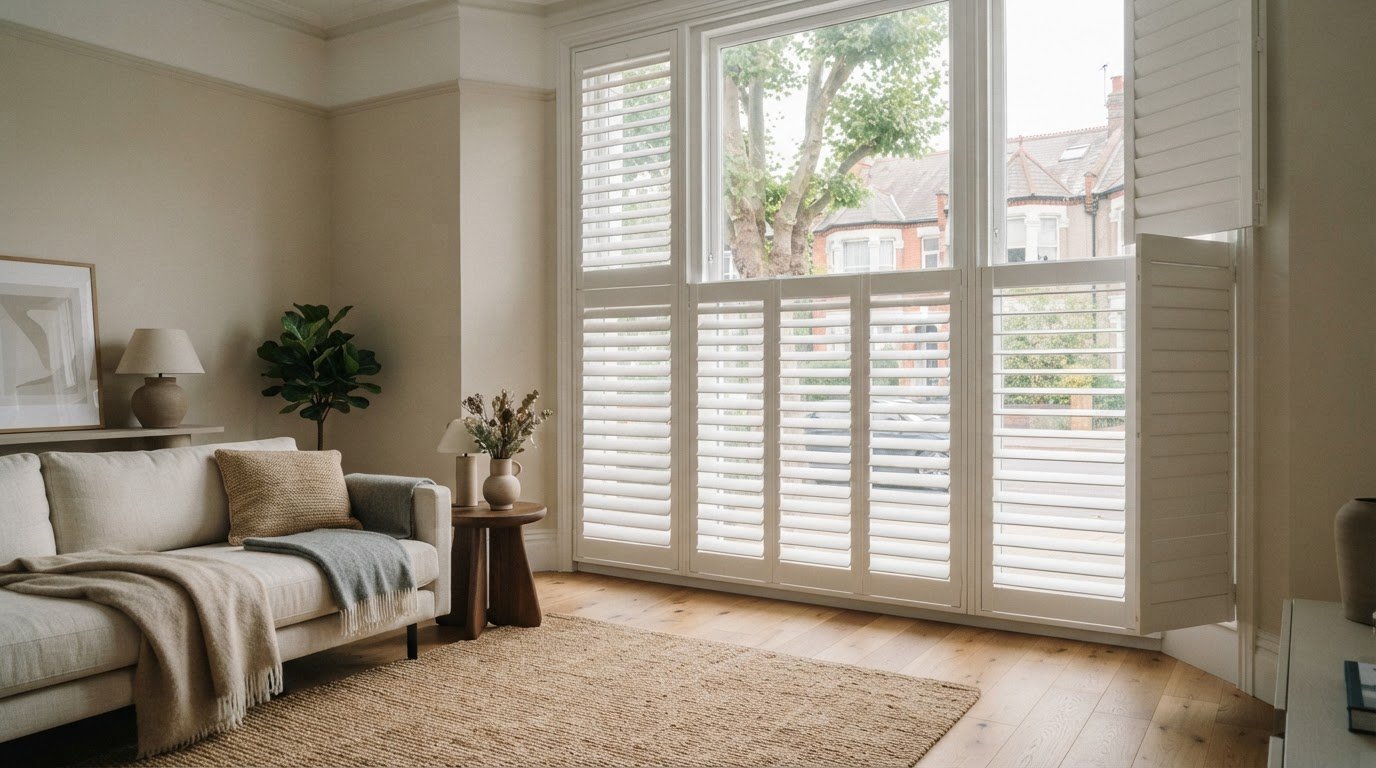
Can you get the clean lines of modern shutters without making everyday light control less convenient? Hidden tilt rod shutters for a modern look keep a prominent vertical bar off the front of the louvres, creating a more streamlined finish. Appearance is only part of the decision, though: the control style should also feel comfortable to use in your room.
If you’re comparing hidden controls with central, offset or clear-view options, it can be hard to tell what changes in practice. Each creates a different look, and the best fit depends on your window, how you use the room and the finish you want. A minimalist detail shouldn’t be chosen on looks alone.
This guide explains how hidden tilt rods work, how they compare with visible styles and what to consider before choosing. You’ll also learn what to expect from a made-to-measure process, from viewing shutter samples in your own space to free measuring and professional fitting. A complimentary home consultation gives you expert guidance as you compare options and consider what suits your home.
Key Takeaways
- Hidden tilt rod shutters for a modern look keep visible control hardware out of sight, but the right choice should balance appearance with everyday use.
- Concealed controls can operate linked louvres, although the operating details vary between shutter systems.
- Compare hidden, central and offset tilt rods to see which control style best suits your room and design preferences.
- Consider window size, panel arrangement, privacy and access before settling on a shutter style.
- Use a home consultation, samples and measuring guidance to make a more informed choice for your space.
What are hidden tilt rod shutters, and why do they suit a modern look?
Want the louvres to take centre stage without a vertical control bar crossing the front of the shutter? A tilt rod is the control used to adjust the slats, known as louvres. Hidden tilt rod shutters conceal the visible control hardware on the face of the panel, creating a cleaner, less interrupted view.
The hidden control changes the appearance of the shutter front, not its material or panel arrangement. That distinction matters: consider the control style separately from the finish and configuration that suit your window. If you’re considering hidden tilt rod shutters for a modern look, picture how prominent you want the hardware to be when the louvres are open or closed, and how that detail will sit alongside the window trim.
How a tilt rod controls shutter louvres
Louvres are the adjustable slats set within a shutter panel. Changing their angle lets you manage how much light enters and how much of the room is screened from view. The tilt control is the part you use to make that adjustment, while the louvres move to alter the view through the panel.
With a hidden design, the control hardware is less visible on the front. The way it connects to the louvres can vary between shutter systems, so “hidden” describes the appearance of the control rather than one universal mechanism. It also doesn’t specify the shutter’s material, colour or panel style. Keeping these choices separate makes it easier to compare the look you want with the rest of the design.
What makes a hidden tilt rod look more contemporary?
A traditional visible tilt rod creates a clear vertical line across the louvres. Some homeowners like this familiar detail; others prefer the quieter front view of a hidden control, where the slats and overall shape of the panel draw more attention. The difference is subtle, but it can change the impression of a whole window.
In a pared-back interior, cleaner sightlines can sit comfortably alongside simple furniture, uncluttered surfaces and restrained decoration. They can also help keep the shutter visually calm when several panels cover a wider window. That doesn’t mean a hidden rod suits every room: a visible rod may be a better fit if you want the control to form part of the design.
Consider the detail in context. Look at the window alongside its surrounding trim, nearby furnishings and the view across the room. Samples viewed in your own space can help you judge how the shutter’s control style relates to those features. The tilt rod is one element of the overall design, so weigh its visual effect alongside the finish and panel arrangement you prefer.
How hidden tilt rod shutters work: mechanism, louvres and control
A hidden tilt rod changes how the louvres are adjusted, but the basic purpose remains the same: to help you manage light and privacy at the window. The control is less prominent than a traditional front-mounted rod, while the way it connects to the louvres can differ between shutter systems.
What happens when you adjust the louvres?
In practical terms, you move the tilt control, the louvres change angle, and the amount of light and visibility through the panel shifts. The control may move a linked set of louvres together, although the precise arrangement depends on the system. This is useful to bear in mind when considering hidden tilt rod shutters for a modern look: an understated control still needs to feel straightforward in daily use.
Angling the louvres upwards or downwards changes the balance between daylight, privacy and the outward view. A more open angle can let in more light and preserve a clearer view; a more closed angle can screen the room while still allowing some light through. The result depends on the window, the light outside and the louvre position, so picture how you use the room at different times of day.
Adjusting the tilt control changes the louvres’ angle, which alters how much light enters, how much of the room is screened and how much of the view remains visible.
Tilting the louvres is separate from opening or closing the shutter panels. The first changes the slats within a panel; the second moves the panel itself to uncover or cover more of the window. Keeping those two actions distinct helps you assess whether the control arrangement will suit your routine.
Why panel layout matters to light and privacy
Panel divisions affect which parts of a window can be adjusted separately. Depending on the layout and shutter system, separate panels may let you change the louvres in one area without making the same adjustment across the whole window. Arrangements vary, so consider the proportions of your window and how you want to use each section.
For instance, you might want to screen the lower part of a window for privacy while keeping the upper area more open for daylight. A suitable layout may make that distinction possible, depending on how the shutter is configured. Think about the room’s routine: do you want to adjust the whole window together, or would separate areas be more practical?
- Window proportions: Consider the height and width of the opening and how it divides into panels.
- Daily use: Picture when you need privacy, daylight or an open view, and which parts of the window matter most.
A made-to-measure discussion can help relate those choices to your actual window. During a home shutter consultation, you can review samples and talk through how control and panel layout may work in the room before settling on a tailored design.
Hidden vs visible tilt rods: which shutter control suits your priorities?
The best control style balances the look you want with how you prefer to adjust your shutters. Hidden controls reduce visible hardware, while central and offset rods make the control an evident part of the panel. Clear-view is another term you may encounter, but names and operating details vary between shutter systems, so compare the visible design and how the control feels to use.
| Control style | Appearance | Operation to consider | May suit interiors that… |
|---|---|---|---|
| Hidden tilt rod | Leaves the shutter face without a prominent vertical control bar. | Consider where the control is and how it feels to adjust. | Favour simpler sightlines and a pared-back finish. |
| Central visible rod | Places a noticeable vertical line near the centre of the louvres. | The visible rod provides an obvious point to move. | Welcome a familiar, traditional shutter detail. |
| Offset visible rod | Shows the control line away from the centre of the panel. | Consider where it sits in relation to the window and how you’ll reach it. | Prefer a visible control but want a different position from a central rod. |
| Clear-view control | Often describes a front view with little or no prominent rod. | Operating details vary, so compare how the particular control works. | Want an uncluttered look and are comparing less visible controls. |
Use the table as a starting point, not a promise that every system works in precisely the same way. A concealed control still needs to be comfortable and understandable: you should know where to adjust the louvres and feel at ease doing so. Compare how the control is positioned and how it moves, rather than choosing on appearance alone.
When a hidden tilt rod is the better visual fit
A hidden rod can suit an uncluttered interior by keeping a strong vertical line from interrupting the shutter’s front. That detail may complement contemporary styling without requiring you to redesign the whole room; it can be a considered update alongside existing furniture and finishes. The overall effect still depends on the shutter, the shape and proportions of the window, and the décor around it. Samples viewed in the room can help you judge that combination more reliably than a product image alone.
When a visible tilt rod may suit your room
A visible rod isn’t a design flaw. Its clear line can be a deliberate traditional feature, and some homeowners may simply prefer seeing a familiar control as they adjust the louvres. Compare central and offset positions in relation to your window and the room’s style. Looking at samples in your own space can reveal how each option sits with the light, trim and furnishings, helping you choose with both appearance and everyday preference in mind.
There’s no universal winner. If a streamlined front matters most, a hidden option may feel right; if you value an evident control or a more traditional detail, a visible rod may be the better fit. Give equal weight to the finished look and the ease of using it.

How to choose hidden tilt rod shutters for your window and interior
Start with the effect you want, then check that the control and layout make sense for the window and your routine. Choosing hidden tilt rod shutters for a modern look is one design decision, not a commitment to a particular colour, material or panel style. Keep those choices separate so you can weigh each on its own merits.
Use this sequence to narrow down your preferences:
- Set the visual direction. Decide whether you want a minimal front with less visible hardware, a classic feel or a more decorative detail.
- Consider the window. Note its shape and proportions, how it is divided into panels, and whether furniture or other items could affect access to the controls.
- Think through daily use. Consider when you want daylight, privacy or an outward view, and whether you’ll adjust the louvres often.
- Choose the rest of the shutter design separately. Compare material, colour and panel style in light of the room, rather than assuming the tilt-rod choice dictates them.
Match the control style to the room
Look at the finishes already in place: window trim, flooring, furniture and wall colours. In a living room, you might favour a discreet control to keep a simple scheme visually calm. In a bedroom, you may prefer a more traditional visible detail that relates to existing furnishings. Neither room has one correct answer. View samples alongside your own finishes, since a shutter that looks appealing online can feel different in the room.
The intended mood can guide your comparison. A pared-back setting may call for a less prominent control, while a classic or layered interior might welcome a visible rod as part of the overall design. You can explore elegant window shutters as a broader style direction, but judge the control, finish and panel arrangement together. A hidden rod can complement contemporary styling without requiring a complete room redesign.
Consider window shape, privacy and daily use
Before settling on a layout, note whether the window is wide, tall or an unusual shape, and what sits near it. A desk, sofa or bedside table may influence how easily you can reach and adjust the panels. Then consider your routine: do you usually want privacy at certain times, or prefer to keep more of the view open? These habits can help you decide which louvres you’re likely to adjust and how the panel arrangement should support that use.
Professional shutter fitting is part of achieving a tailored result, but the design conversation starts with your priorities. A complimentary home consultation gives you the chance to view samples in the room and discuss control style, window proportions and everyday use with expert guidance.
Explore shutter options in a complimentary home consultation and consider how they could suit your window and interior.
From choosing hidden tilt rod shutters to a tailored fit
The right choice balances the appearance you want with controls that feel comfortable in everyday use. Hidden tilt rod shutters for a modern look can create a quieter front, but the full design also depends on your window, the room and the way you prefer to manage light and privacy. Careful measuring and fitting help bring those choices together for a made-to-measure result.
What to expect from a home consultation
A home consultation gives you the chance to discuss your preferred look and see shutter samples in the room where they’ll be fitted. Looking at samples alongside your existing colours, furnishings and window trim can make it easier to compare a more discreet control with a visible detail. You can also talk through the window’s proportions, panel arrangement and how you use the space.
Universal Blinds UK is a family-run business serving customers across the West Midlands. During a complimentary consultation, you’ll receive expert guidance to help you consider shutter choices in context. The measuring service and quote are free and carry no obligation, so you can understand the proposed fit and costs before choosing how to proceed.
How measuring and fitting complete the decision
Once you’re ready to explore a tailored shutter, careful measuring provides the information needed to plan it for your window. This is particularly useful when you’re considering how the panels will sit within the opening and how you’ll reach the controls in daily use. The design is considered for your home, rather than relying on a one-size-fits-all assumption.
After the bespoke shutters have been made, professional fitting completes the process. The panels are fitted to the measured window, bringing the selected control style and layout into the room as planned. Together, measuring and fitting support a considered result from the first design discussion through to installation.
You don’t need to have every detail settled before taking the next step. Bring your ideas about the look, privacy and everyday operation to the conversation, then use the samples and expert advice to weigh up the options in your own space. This helps you make a confident choice that suits both the room and the way you use it.
Explore your shutter options in a complimentary home consultation, with free, no-obligation measuring and a quote.
Make your next shutter choice with confidence
A window is part of the room’s character, not simply an opening to cover. Before deciding, picture how you want the space to feel in ordinary use: calm and visually simple, or shaped by a more traditional detail. That perspective can help you choose hidden tilt rod shutters for a modern look because they suit your home, rather than because a particular finish is fashionable.
There’s no need to settle every design detail at once. Bring your preferences and questions to a one-to-one conversation, then take time to consider which option feels right for your window. Universal Blinds UK’s complimentary home consultation includes samples and expert advice, with free measuring and a no-obligation quote. Professional fitting completes the bespoke shutter service.
Arrange a complimentary home consultation to take the next step towards shutters that feel at home in your space.
Frequently Asked Questions
Are hidden tilt rod shutters suitable for bay windows?
Yes, bespoke shutters can be designed for bay windows, where each angled section needs to work as part of the overall arrangement. Consider how the panels will meet around the bay and whether you can comfortably reach each control. A professional measure helps account for the window’s shape and dimensions. Seeing samples in the room can also help you judge whether a discreet control complements the bay’s lines and surrounding décor.
Can hidden tilt rod shutters be used on large windows?
Yes, they can be considered for large windows, with the panel arrangement planned around the opening. Think about how you’ll reach the controls and whether you’d find it easier to adjust one area at a time. For example, a wide window may call for more than one panel, depending on its dimensions and the chosen design. A made-to-measure assessment helps relate the layout to the window and your everyday use.
Do all the louvres move together when you adjust a hidden tilt rod?
Not necessarily. In some shutter systems, louvres within a panel are linked and move together; other operating arrangements may differ. The movement can also depend on how the panels are divided, so one area may not behave exactly like another. If you prefer to adjust different parts of a window independently, make that a priority during the design discussion and compare how the selected control works.
Can hidden tilt rod shutters provide privacy while letting in daylight?
Yes. Angling the louvres can screen direct views while still allowing some daylight into the room, although the balance changes with the angle, window position and light outside. For a ground-floor room, you might prefer a more closed angle during the day, then adjust it when you want a clearer view. Try different positions to find a balance that feels comfortable rather than expecting one setting to suit every moment.
Are hidden tilt rod shutters difficult to clean?
They don’t have to be difficult to clean, but the louvre surfaces and gaps do need attention, as with other shutters. A soft, dry cloth or suitable duster can help remove ordinary dust; follow any care guidance supplied for the specific shutter finish. Avoid assuming every material responds to the same cleaning products. Regular, gentle dusting can make routine upkeep easier than waiting for dust to build up.
Can you replace a visible tilt rod with a hidden one on existing shutters?
Not always. Whether an existing shutter can be changed depends on its construction and how its tilt control connects to the louvres. A hidden control isn’t necessarily a direct replacement part, so don’t assume a visible rod can simply be removed. An assessment of the existing panels can help establish practical options, including whether keeping them or choosing new bespoke shutters is more suitable for your window.
How do I choose between hidden and central tilt rods?
Choose according to both the look you prefer and how you want to operate the shutters. Hidden tilt rod shutters for a modern look keep the front visually simple, while a central rod gives the control a visible, familiar position. Compare samples against your window trim and furnishings, then consider how each style feels to adjust. Think about how often you’ll change the louvre angle, too, so the final choice works beyond the initial impression.