

Shutters vs Blinds for Insulation: A UK Homeowner’s Guide
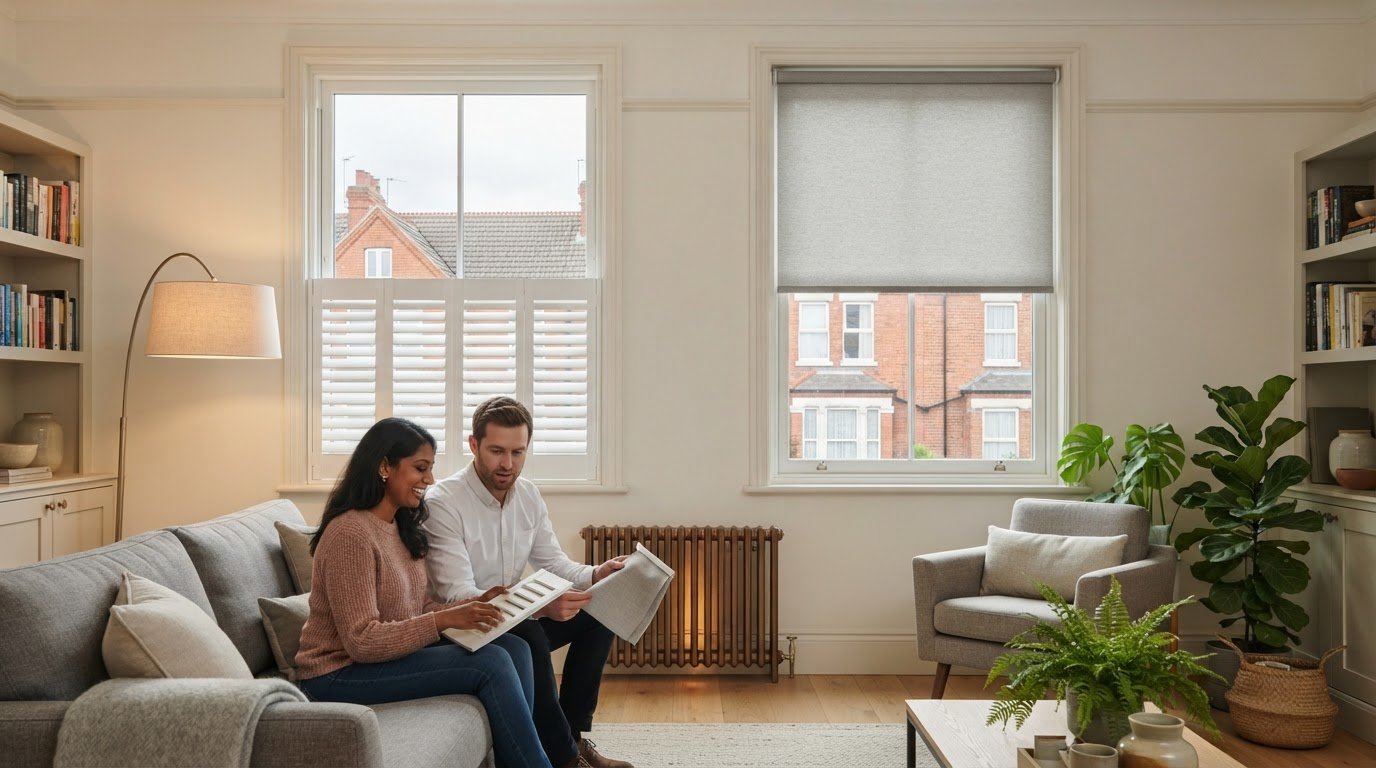
Are shutters better than blinds for insulation? Not automatically. The answer depends on your windows, the covering you choose and how well it fits. A shutter may feel more substantial, but draughts, gaps around the frame and the condition of the window all affect how comfortable a room feels. Blinds also come in different styles, so comparing them as one option can be misleading.
This guide explains how shutters and different blinds may affect heat loss, comfort, light control and everyday use, without relying on blanket claims or unverified figures. You’ll learn what to check at the window, why accurate measuring and professional fitting matter, and how to compare made-to-measure options for your room. Use the practical checks below to weigh up the trade-offs and make a more informed choice for your home.
Key Takeaways
- There’s no universal winner when asking “are shutters better than blinds for insulation”; the window, product and fit all matter.
- Coverage and gaps around a window covering affect how closely it shields the window.
- Compare shutters and blind styles by fit, light control, privacy and room suitability, rather than relying on blanket claims.
- Check your window and room needs before narrowing down made-to-measure options.
- For West Midlands homes, samples, expert advice and accurate measuring can help you assess options for your windows.
Are shutters better than blinds for insulation? Start with the window
Shutters and blinds may both help limit heat transfer at a window, but neither is automatically better. The result depends on the window, the covering and how closely it fits. A covering may add a layer between the room and the glass, but it cannot correct a draughty frame or replace an assessment of a poorly performing window.
In practical terms, window insulation means limiting heat moving through the window area. Shutters and blinds are used for light control and privacy as well as providing a layer at the glass. That layer may change how comfortable the area feels, but perceived comfort is not the same as a measured reduction in heat transfer. The effect varies, so do not treat any shutter or blind as a guaranteed fix for heat loss.
What does insulation from a window covering mean?
A covering creates an additional layer between the room and the window, with a space of air in between. How much that affects comfort depends on the product and how it sits. If there are open edges or gaps, air can move around the covering, reducing how closely it shields the window. Product type alone cannot tell you how warm a room will feel.
It helps to distinguish what you feel from what can be measured. A covering might make sitting beside a cold window feel more comfortable, but that impression does not measure heat transfer through the whole window. Shutters and blinds can both be part of a considered setup; neither should be assumed to solve an underlying window problem.
Why the window itself changes the answer
Start by checking what is already there: the type and condition of the glazing, the frame, any noticeable gaps and how the covering fits. A draught around a frame can affect comfort whatever blind or shutter you choose. Note what you notice, such as a cold area near the sill, draughts or condensation, but do not assume those signs reveal their cause.
A home in the West Midlands might have modern double glazing in one room and older glazing elsewhere. A north-facing bedroom, an exposed living-room window or a window with a worn frame can each feel different. Room exposure and existing draughts matter, so assess each window before comparing options. If you suspect a window fault, consider having it checked rather than relying on a covering to address it.
How shutters and blinds affect warmth: fit, materials and air gaps
A window covering can create a layer between the room and the glass, with air held in the space behind it. How much this affects comfort depends on more than whether you choose shutters or blinds. Fit, window condition and product design all influence how closely a covering shields the window. Gaps at the sides, top or bottom can leave parts of the window exposed, while the covering’s position and construction affect how it sits in relation to the glass.
That makes a fair comparison more detailed than “solid shutters versus soft blinds”. Both categories include different designs, and a well-measured covering may sit differently from one that leaves noticeable gaps. Neither option seals a window or prevents all heat loss, so consider the window itself as well as the covering.
How shutter fit and construction can influence comfort
Custom shutters are fitted within or around a window opening, with panels positioned to cover the glass. How the panels align, and the size of any gaps around the frame or between panels, can affect how closely they shield the window. A fitted design may provide a structured layer, but it should not be assumed to eliminate draughts or remedy a poorly performing window. Ask how the shutter will sit in your particular opening.
Why blind style and fit matter too
Blinds vary in how they cover a window. A roller blind presents a single sheet of material when lowered; Venetian blinds use adjustable horizontal slats, while vertical blinds have hanging slats that can be turned or drawn aside. Coverage at the edges, material and fitting position vary by design. For a closer look at the options, see our complete guide to blind styles.
For instance, a blind fitted inside a recess may leave a gap around its edges, while one fitted outside the recess may cover more of the surrounding area. Neither arrangement is automatically best. The window shape, available fixing space and how you use the room all matter. Materials also differ, so compare the specific blind and shutter designs rather than treating every style as equivalent.
If you are unsure how your window’s shape or condition affects the fit, accurate measuring is a useful next step. West Midlands homeowners can discuss their window and room requirements through a home consultation about made-to-measure blinds and shutters, with measuring and expert advice to help clarify the options.
Shutters vs Blinds for Insulation: Choose the Best Option
There’s no reliable winner based on product category alone. Insulation performance cannot be ranked fairly without comparing specific products in similar conditions, including how they are fitted and the condition of the window. Instead, weigh potential warmth benefits alongside the way you want to manage light, privacy and daily use.
| What to compare | Shutters | Blinds |
|---|---|---|
| Fit | Made to fit around or within the window opening; panel alignment and perimeter gaps vary. | Fit and position depend on the blind style and whether it sits inside or outside the recess. |
| Window coverage | Panels cover the window; how closely they do so depends on the design and fitting. | Coverage varies by style, material and how the blind is positioned. |
| Light control | Adjustable panels can give you control over incoming light. | Some styles adjust by raising, lowering, turning slats or drawing them aside. |
| Privacy | Panel position affects the balance between privacy and light. | Blind style and position affect how much of the window is covered. |
| Room suitability | May suit a room where a structured, fitted look works with the window and decor. | May suit a room where a particular style, coverage or lighter visual treatment is preferred. |
Use the table as a shortlist, not a performance scorecard. A blind that fits a particular window and suits the way you use the room may be the better choice there, while shutters may make more sense for another window. Styling, maintenance and everyday operation are separate considerations from warmth. Decide which factors matter most in each room rather than expecting one option to suit every window in your home.
When shutters may be worth considering
Consider made-to-measure shutters if you prefer a fitted, structured covering and want to adjust light using the panels. They may work well where their shape and appearance suit the window and room. Think about access, how you will use the panels day to day, and the overall look you want. Insulation is only one factor; the window, fit and your priorities still guide the choice. For more detail, read this homeowner’s guide to window shutters.
When blinds may be the more suitable choice
Blinds offer different ways to cover a window, from a single surface to adjustable slats. That flexibility may suit your preferred light control or a less structured look. But style, material and fitting position all change the comparison, so consider the specific blind rather than treating blinds as one uniform option.
If you are weighing up options for different windows, West Midlands homeowners can discuss their room requirements and made-to-measure choices during a home consultation about shutters and blinds.

How to choose an insulating window covering: assess your windows first
A few observations about the window and room can make it easier to compare options. Rather than choosing on insulation claims alone, work through these steps:
- Inspect the window: Note the glazing and frame type, their visible condition, and any draughts or condensation. Record concerns without assuming what is causing them.
- Identify the room’s needs: Consider how the room is used, when it feels cold, and how much light and privacy you want.
- Compare coverings: Look at specific blind styles and shutter designs, including their coverage, operation and appearance in that room.
- Confirm the fit: Ask how the covering will be measured and fitted to that particular window, and what gaps or fixing constraints to expect.
For example, a bedroom where you value privacy may call for different day-to-day features from a living room where you want adjustable light. If a window feels cold or draughty, note when you notice it and where. Those details can help a covering specialist advise on fit, but a window covering cannot diagnose or repair a window fault. If you suspect a defect, arrange a separate assessment with an appropriate window professional.
A simple room-and-window assessment
Before discussing products, write down the window type, room use, light needs and any existing coverings. Notice whether the room feels cold at particular times, and whether you can feel a draught near the frame or sill. These observations help make the conversation specific without assuming the cause. They also put the question “are shutters better than blinds for insulation” into context: the right comparison depends on your window and what you want the room to do.
Questions to ask before you decide
Ask how measurements will be taken, how the covering will fit your window, and which blind or shutter options suit your light and privacy preferences. Professional measuring and fitting are practical parts of getting a made-to-measure covering suited to the opening. Read about the benefits of professional blind fitting for more on why installation deserves consideration.
It is also reasonable to ask what a consultation includes and whether the quote is obligation-free. Universal Blinds UK’s complimentary home consultation includes product samples and expert advice, alongside measuring and a no-obligation quote. For West Midlands homeowners, arrange a home consultation to discuss your windows and compare suitable made-to-measure blinds or custom shutters.
Get tailored advice on shutters and blinds in the West Midlands
If you are still asking “are shutters better than blinds for insulation”, a home consultation can help you compare options against your actual windows and room priorities. It cannot promise a particular change in warmth. Instead, it gives you a chance to discuss what you have noticed, see product samples and get guidance on which made-to-measure blinds or custom shutters may suit your home.
What to expect from a home consultation
Universal Blinds UK is a family-run West Midlands business supplying and professionally fitting made-to-measure blinds and custom shutters. During its complimentary at-home consultation, you can look at samples and talk through your preferences with an expert. The measuring service helps assess the window and gather the dimensions needed before a bespoke covering is ordered.
Use the appointment to describe practical details: which room feels uncomfortable, how you use it, and whether you have noticed draughts or condensation. These observations can help guide a discussion about covering style and fit. They do not establish the cause of a window concern, and the consultation should not be treated as a diagnosis or a promise of energy savings. If you suspect the window itself has a fault, arrange a separate assessment with an appropriate professional.
Choose a covering that suits your home
Insulation is one consideration alongside light control, privacy, appearance and how you want to operate the covering each day. Samples can make it easier to picture colours and materials in your room, while expert advice can help you compare shutters and blind styles for the specific window. Accurate measuring and professional fitting are practical steps towards a suitable made-to-measure result, but they cannot guarantee a particular thermal outcome.
Before your appointment, note which windows you would like to discuss and what matters most in each room. For example, you might prioritise privacy in a bedroom but want flexible daylight in a living space. Sharing those priorities helps keep the conversation focused on options that suit your home, rather than assuming one solution will work everywhere.
West Midlands homeowners can arrange a free home consultation with Universal Blinds UK to view samples, discuss their windows and receive expert advice. Measuring and a no-obligation quote are part of the service. Use the appointment to understand your options before choosing made-to-measure blinds or custom shutters.
Choose the right fit for your windows
So, are shutters better than blinds for insulation? There’s no universal answer. The window’s condition, the covering’s design and how it fits all influence the comparison, so look at each room rather than relying on blanket claims. A covering may contribute to comfort, but it should not be treated as a fix for a window fault.
Balance warmth with the things you will notice every day, including light control, privacy and appearance. Made-to-measure blinds or custom shutters can suit different windows, and accurate measuring and professional fitting help ensure the chosen covering is appropriate for its opening. The right decision is the one that meets your home’s needs without expecting a guaranteed thermal result.
For West Midlands homeowners, Universal Blinds UK offers a complimentary home consultation with samples and expert advice, plus free measuring, a no-obligation quote and professional fitting. Arrange a free, no-obligation home consultation to discuss your windows and explore your options.
Frequently Asked Questions
Are shutters more effective than blinds at keeping heat in?
Not automatically; neither shutters nor blinds are always more effective. The question “are shutters better than blinds for insulation” depends on the window, the covering’s design and how it fits. A well-fitted blind may suit one window, while a shutter may better meet another room’s needs. Compare specific options and consider light control, privacy and appearance as well as potential warmth, rather than relying on a general claim about either category.
Do shutters help reduce heat loss through windows?
Shutters may add a layer between the room and the window, which can influence how the area feels. Their effect depends on the shutter design, how it is fitted and the condition of the window itself. Gaps around panels or the frame may affect how closely the shutters cover the window. They are not a substitute for addressing a window fault, and you should not assume they will deliver a particular reduction in heat loss.
Can blinds make a room warmer in winter?
Blinds can add a layer at the window and may make the space nearby feel more comfortable, particularly if the glass feels cold. The result depends on the blind’s material, coverage, position and fit, as well as the window. A blind does not increase the room’s heating or repair a draughty frame. If the room remains cold, note where and when you notice it and consider whether the window needs a separate assessment.
Which type of blind is best for insulation?
There isn’t one blind style that can be named as best for every window. Roller blinds cover the glass with a single surface when lowered, while Venetian and vertical blinds use adjustable slats. Their coverage, material and fitting position differ, so assess the particular product and how it will fit your window. Compare the options for the room’s light and privacy needs too, rather than choosing by style name alone.
Do made-to-measure shutters insulate better than standard blinds?
Not necessarily. Made-to-measure shutters are designed for a specific window, while the fit of a standard-sized blind depends on its dimensions and installation. However, a custom fit alone does not prove that shutters will insulate better. Window condition, product construction and gaps all affect the comparison. Consider how closely each option will cover your window and what you need from it, rather than assuming one category will always perform better.
Will shutters or blinds stop draughts around a window?
No, a shutter or blind should not be relied on to stop draughts caused by gaps in a frame or elsewhere around the window. A covering may sit between you and the glass, but it does not repair or seal a window fault. If you notice draughts, record where they seem to come from and consider getting the window assessed separately. You can then choose a covering based on its fit and your room preferences.
How can I choose between shutters and blinds for a cold room?
Start by noting the window type, how the room is used, when it feels cold and whether you notice draughts or condensation. Then compare specific shutters and blind styles for fit, coverage, light control and privacy. Do not assume a covering will resolve a window problem. A professional measuring service can help assess the opening; Universal Blinds UK offers free measuring and a no-obligation quote for made-to-measure blinds and custom shutters in the West Midlands.